
Delivering a façade is not only about supplying components. It requires coordination across engineering, manufacturing, logistics, and on-site execution.
At ALCA, we manage the entire façade delivery process through an integrated approach that connects design development, technical engineering, production, and installation. This structure allows us to control quality, optimize timelines, and respond efficiently to the technical complexity of contemporary architecture.
Our teams work closely with architects, consultants, contractors, and suppliers throughout each stage of the project — ensuring that every façade system is technically sound, buildable, and delivered according to the project’s performance and schedule requirements.
Project Stages
Our façade delivery model is structured around six coordinated phases, allowing us to manage complexity while maintaining quality and efficiency throughout the project lifecycle
Consulting
We support architects and developers from the earliest stages of a project, contributing technical insight to transform design intent into feasible façade solutions.
This phase includes system selection, preliminary façade strategies, cost and buildability assessments, and early coordination with the design team. Our goal is to identify efficient technical solutions while maintaining the architectural vision and performance objectives of the building envelope.
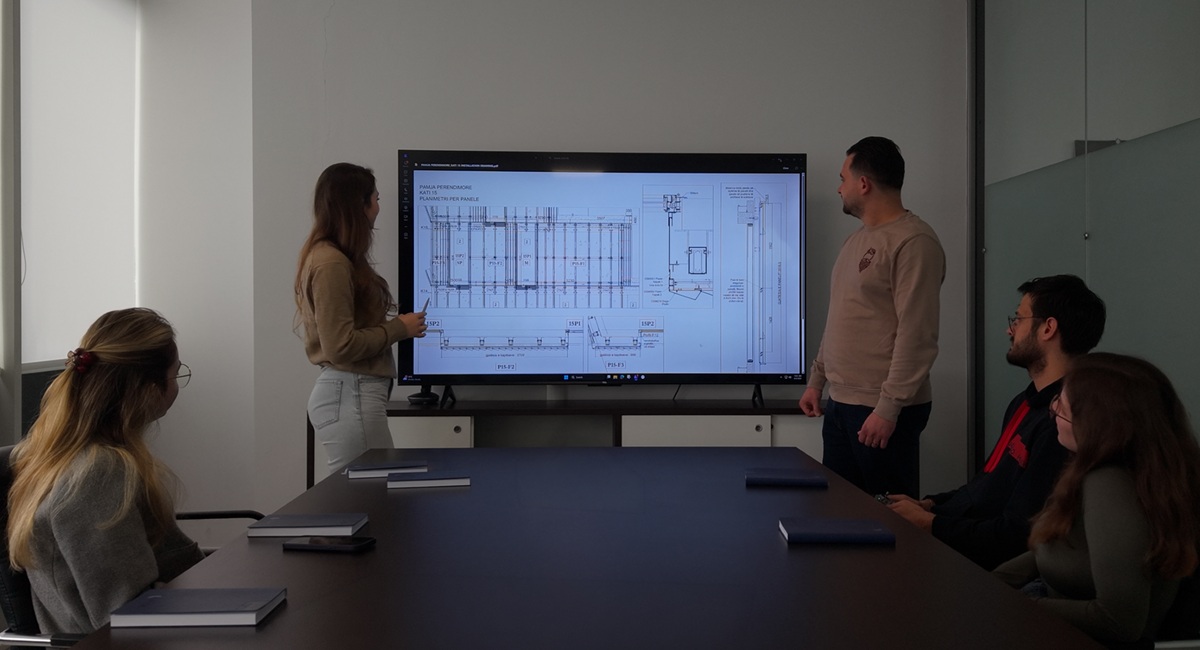
Design
During the design phase, our engineering team develops the façade system in detail, ensuring structural integrity, performance compliance, and integration with the overall building structure.
Activities include façade engineering, structural and physical calculations, thermal and acoustic performance analysis, detailed drawings, and advanced 3D modeling. Through close coordination with architects and consultants, we refine every component to ensure technical precision and constructability.
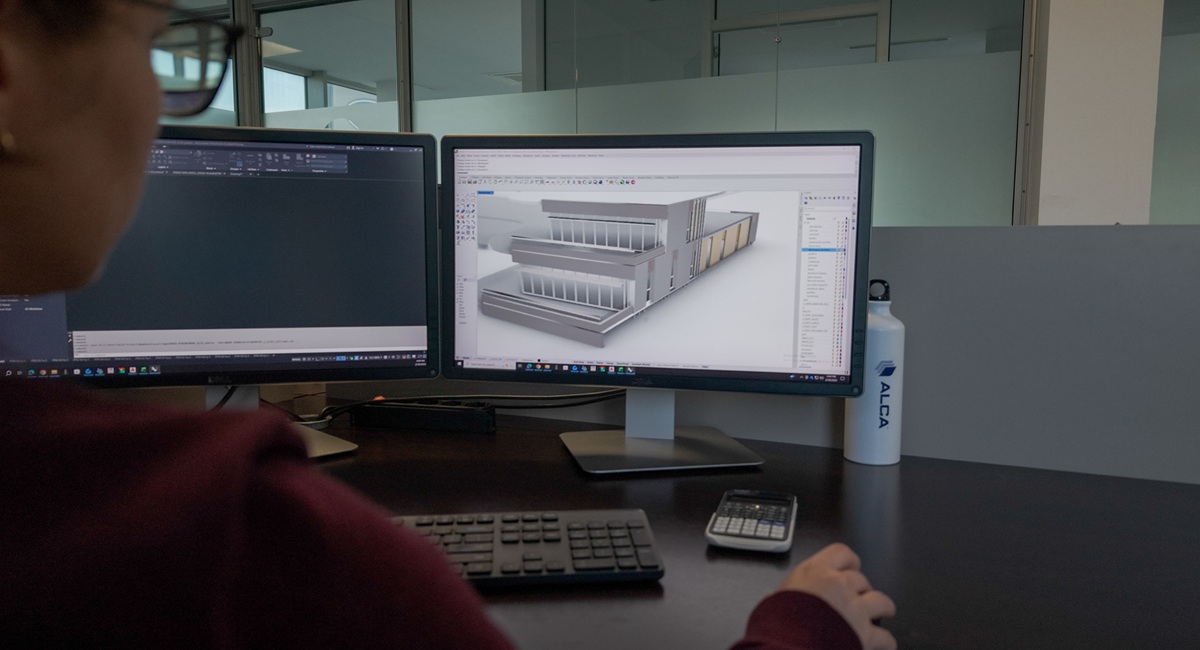
Mock-ups
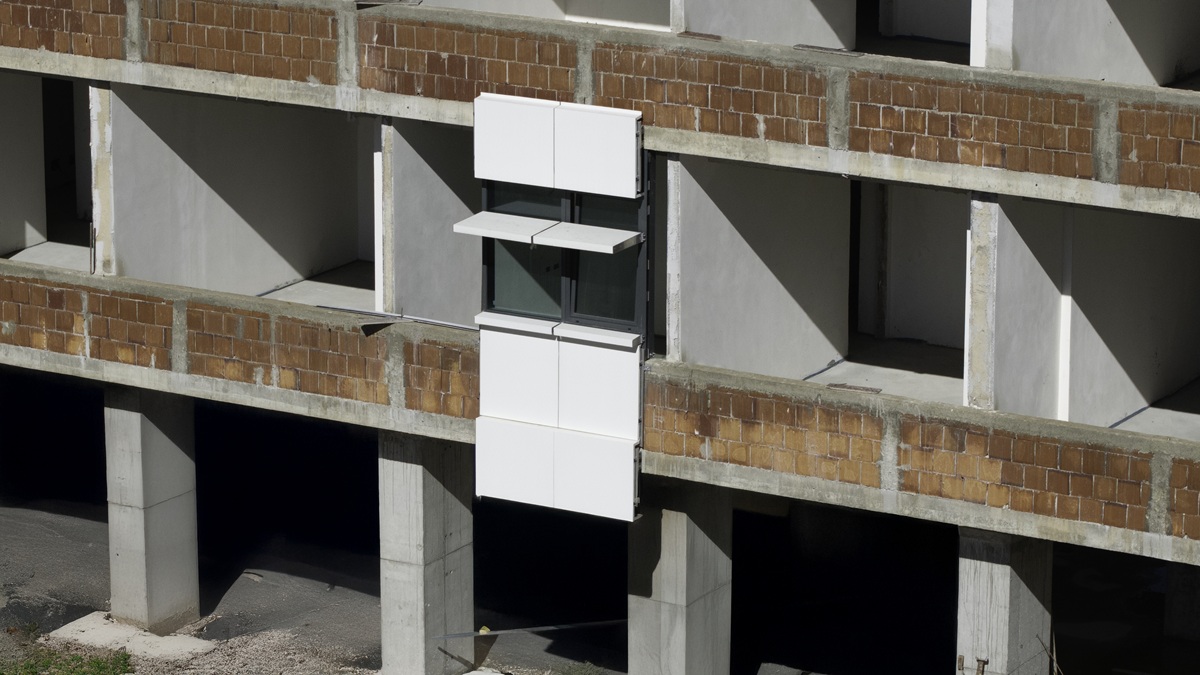
Before production begins, façade systems are validated through mock-ups and testing procedures that simulate real project conditions.
These can include visual mock-ups (VMU), performance mock-ups (PMU), material compatibility testing, and system verification. Mock-ups allow the project team to evaluate aesthetics, functionality, and performance, ensuring that the façade system meets both architectural expectations and technical requirements.
Production
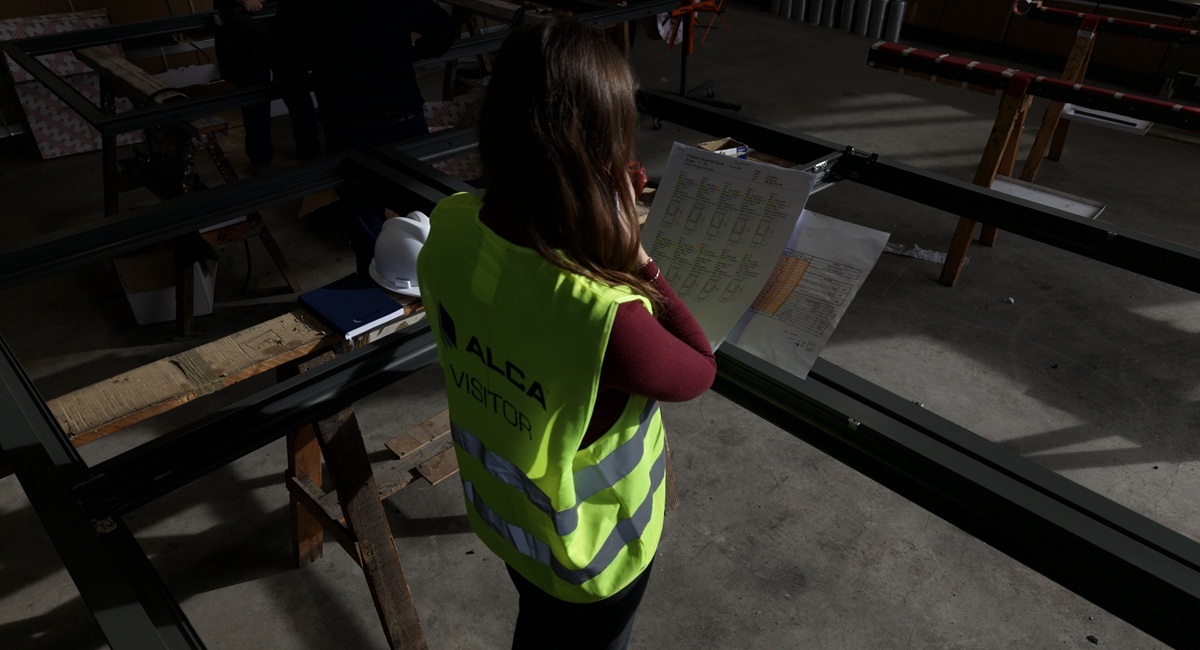
Once the system is validated, production takes place within our manufacturing facilities using specialized equipment and controlled processes.
Our production team manages the fabrication of façade components with a strong focus on precision, quality control, and efficiency. Close coordination between engineering and production ensures that complex geometries and customized solutions are manufactured according to design specifications and project timelines.
Logistics
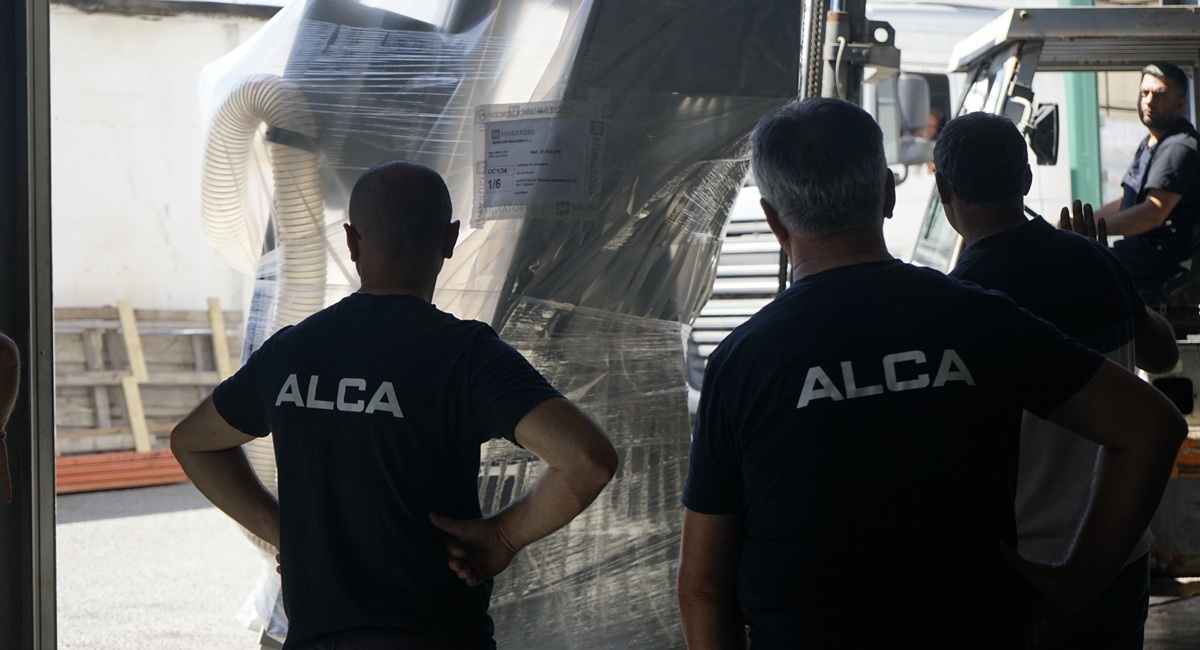
Efficient logistics are essential for façade projects, where installation sequences and site constraints require precise planning.
Our logistics team coordinates packaging, transportation, and delivery schedules in alignment with the construction program. Materials are prepared and dispatched in phases to ensure safe handling, optimized storage on site, and smooth integration with installation activities.
Installation
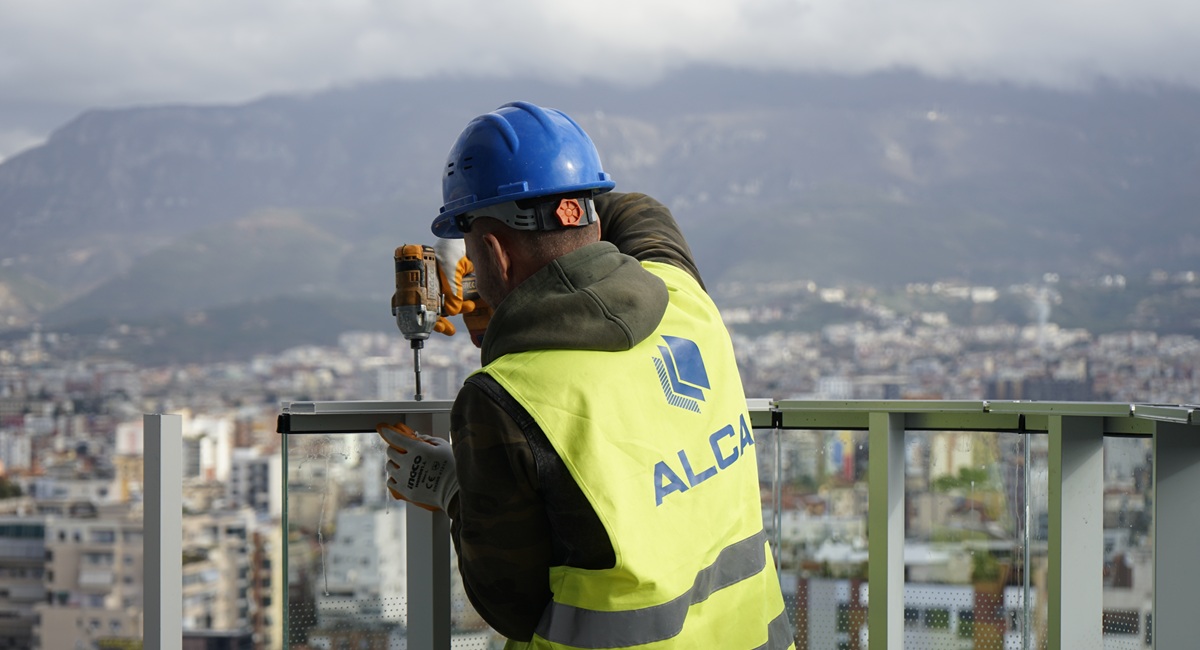
Installation is managed by experienced site teams who coordinate directly with the main contractor and project stakeholders.
Through detailed installation planning, continuous quality checks, and strict safety procedures, we ensure that façade systems are installed accurately and efficiently. Our site managers supervise the process from the first elements to final completion, guaranteeing alignment with technical specifications and project deadlines.
After Care
Building envelopes require periodic inspection and maintenance to preserve performance, safety, and durability over time. Following project completion, ALCA can support building owners and managers with technical expertise and targeted façade interventions when required.
Our support can include:
Façade inspections and technical assessments
Evaluation of façade performance, materials, and critical components.
Replacement of façade elements
Glass panels, gaskets, sealants, or damaged components.
Maintenance guidance and technical support
Recommendations for maintenance programs and operational best practices.
Upgrade or refurbishment interventions
Technical support for improvements or future façade upgrades.